
NBA: Max Pain for Ballmer’s Clippers
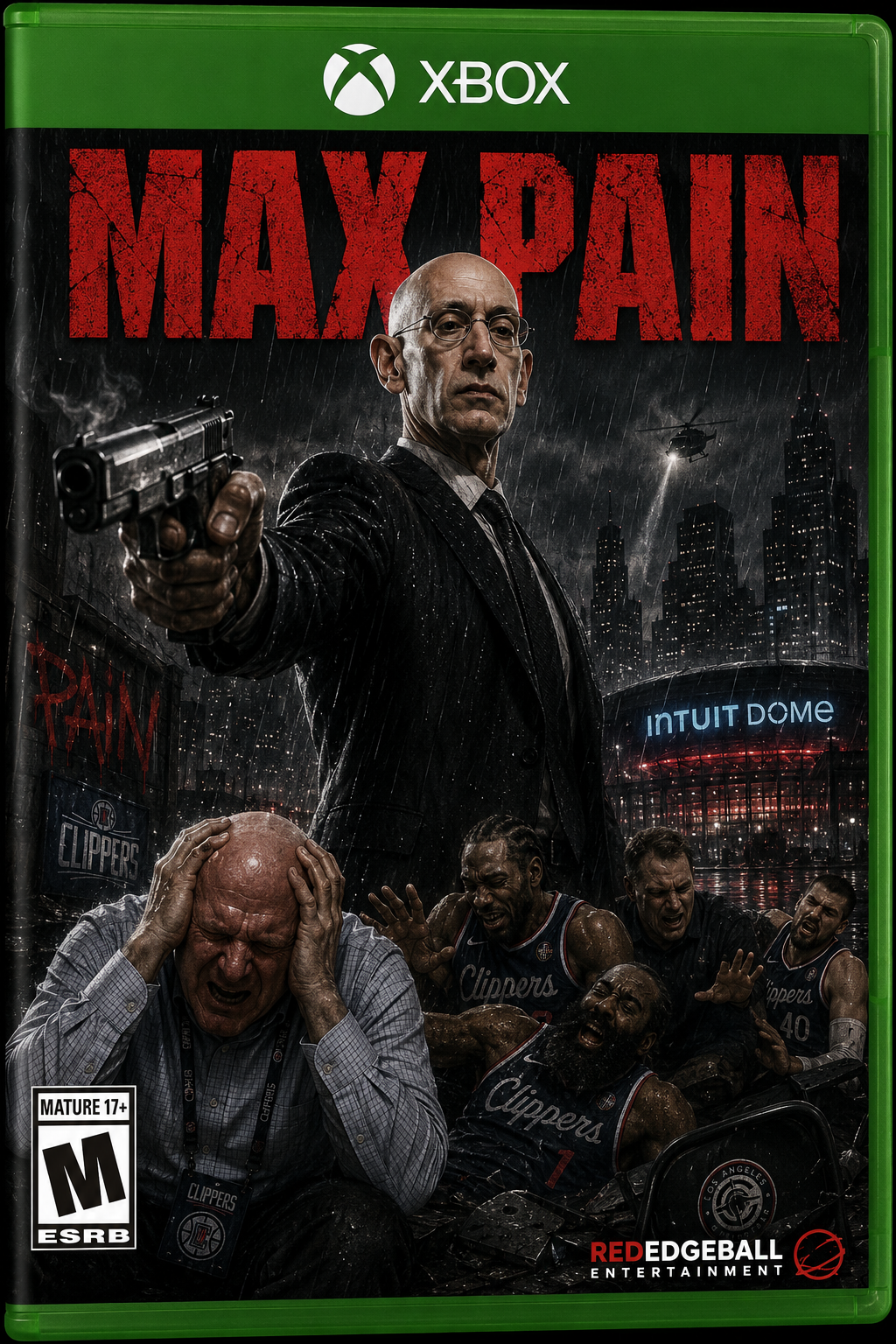
I was writing jokes about the Clippers’ Halo Board when I drove away from a gas pump with the nozzle still attached to my car. I would like to tell you this was research. It was not. I was simply living at Clippers speed.
There is a breakaway coupling on a gas hose for exactly this reason. Apparently enough Americans finish pumping, put the car in drive and attempt to take part of Chevron home with them that the petroleum industry eventually said, “Fine. We’ll design around the idiots.” So the hose snapped where it was supposed to snap. I drove away with the evidence. The gas station charged me $250. Nobody asked me to sign anything. And, I think the whole town was in attendance. Approximately 53 people witnessed the incident, giving me some variation of the universal thumbs-up reserved for a man who has just done something catastrophically stupid without technically dying.
Which brings us back to Steve Ballmer. Because for the last year, every time the Clippers have tried to drive away from the Kawhi Leonard investigation, something has remained attached. Aspiration. Snap. Daktronics. Snap. The Halo Board. Snap. Kawhi to the Raptors. Snap.
That is not bad luck anymore. That is repeated failure to check whether the investigation is still attached. And now the NBA has stopped watching from behind the register, and walked over with the bill.
And, before we’re done, we’re going to tie all of this back to Steve Ballmer’s signature "achievement" at Microsoft: Xbox. This is 120 Proof Ball. Did you really think you were getting out of here without a metaphor?
Remember Me
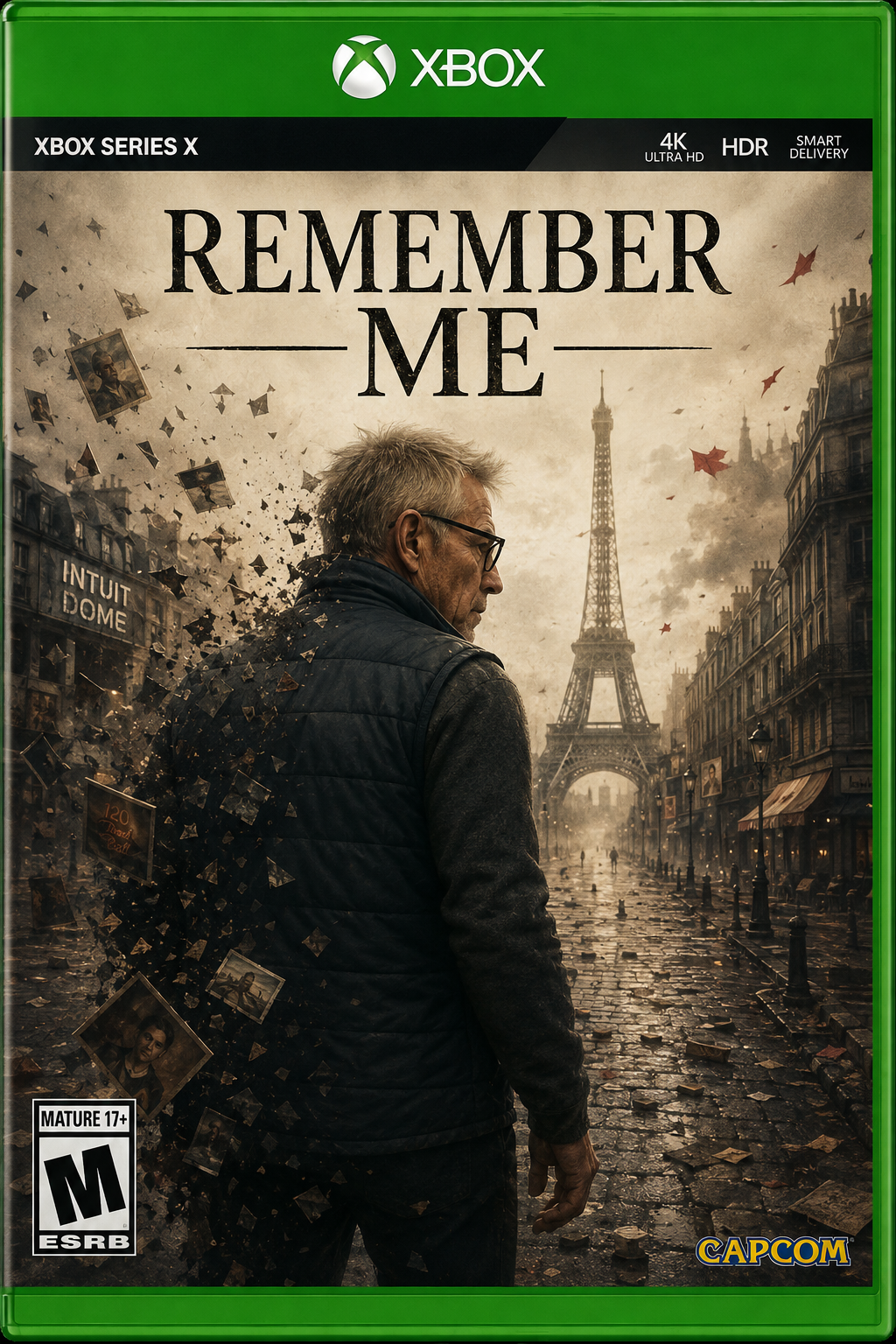
I used to be one of these people. Clipper Nation. Not Lakers-adjacent. Not “I like both L.A. teams.” Actual Clippers fandom, with season tickets and everything.
I survived Donald Sterling. I survived Blake Griffin injuring himself punching a team employee. I survived Lob City collapsing without so much as a conference-finals appearance. I survived both Mike Dunleavy and I was at the Daniel Ewing Game. I survived Doc Rivers, Kawhi’s knees, Shaun Livingston’s body-horror, Paul George’s playoffs, load management, Bubble collapse, the Michael Olowakandi pick and defending Russell Westbrook.
Eventually I wrote the breakup. That was a year ago. I feel great.
When the first Kawhi/Aspiration allegations landed, I wrote what the league should do if the allegations were substantiated — that it had to be more than a billionaire parking citation.
Then, while Steve Ballmer was publicly explaining that the people at Aspiration had conned him, I wrote another piece about his billionaire victim act. Ballmer’s line at the time was essentially: these people committed fraud; they conned me; how could I possibly have known what they were doing?
My response was less sympathetic. How could you be so dumb to corner the board of Aspiration with allegations, and force the people with the receipts to go public? Hubris.
We have been watching the pipes. We have been asking why the plumbing smelled funny. Now the NBA has opened the walls to see how extensive the remedy must be. And… you know it’s bad when you ask the plumber what the repair will cost, and he answers first by sucking air through his teeth.
Halo Reach
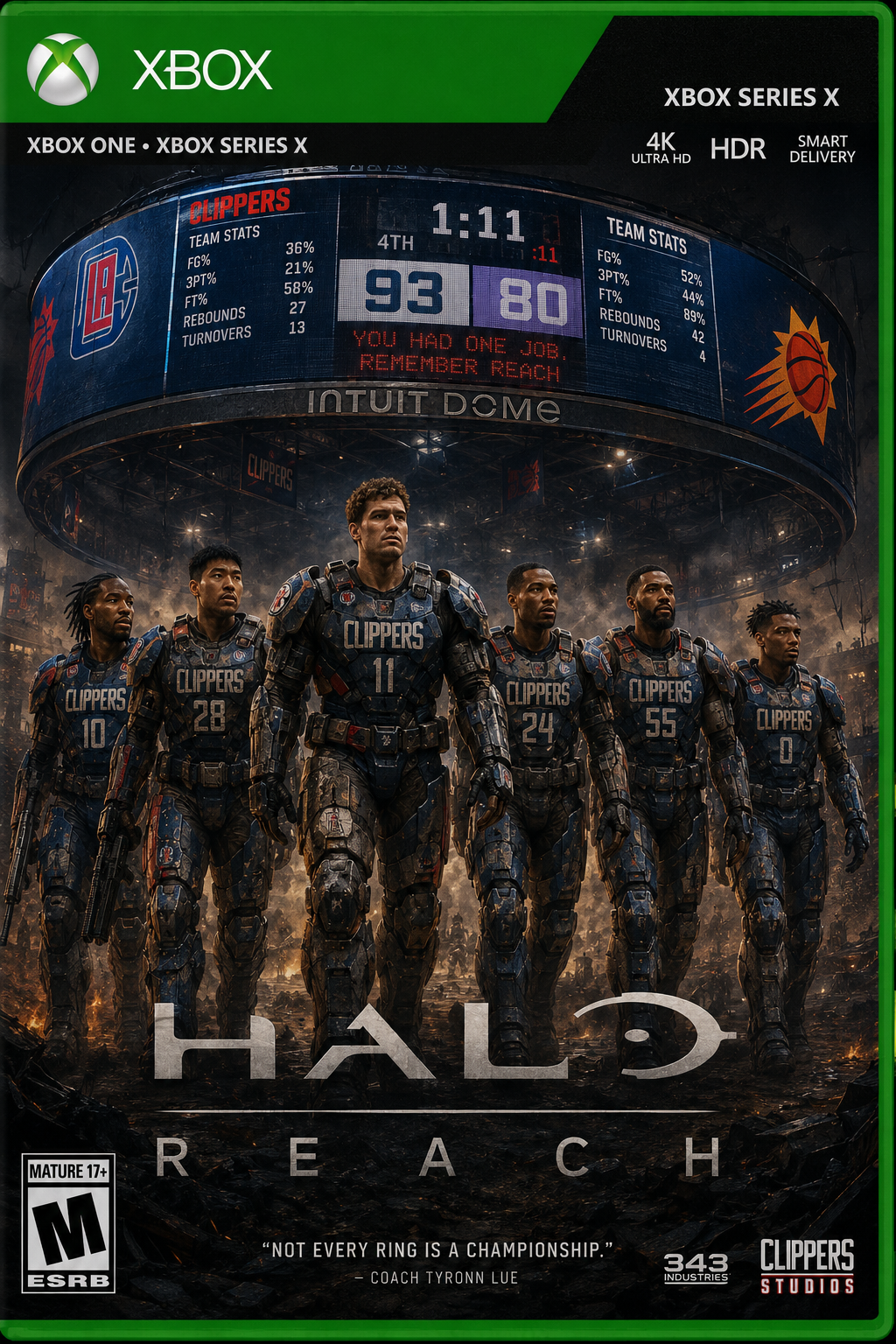
Halo was a game about a world built inside a ring. The Clippers built a ring inside their world because, after decades without a championship, it was apparently the only way their fans were ever going to see one.
That joke aged beautifully. Then it became evidence.
Daktronics, the display company that provided major systems for Intuit Dome, turned out to be one of the four companies named in the NBA’s findings as part of the Clippers’ efforts to generate off-court income opportunities for Kawhi Leonard. The others were Aspiration Partners, Boingo Wireless and Lockton Insurance. The NBA says the Clippers initiated opportunities, facilitated endorsement agreements, induced companies by offering team business, paid personal expenses, and failed to report improper solicitations.
Up until now, the sketchiest thing installed in an NBA arena had been the FTX logo. Then the Clippers’ Halo Board started imitating a CashApp account.
Aspiration was the first leak. Daktronics was the second. At that point you’re no longer looking for one bad pipe. You’re asking who the contractor was.
And this is where Ballmer’s original victim defense began to collapse under its own weight. “It was the other guy, I was conned.” Oh yeah? Why does that keep happening when you’re around, Steve?
Because the NBA did not find one rogue sponsorship. Its official language was “a pattern of misconduct and multiple significant rules violations.” It even took the unusual step of describing the Clippers as a prior offender of the league’s salary-cap circumvention rules.
I get the sense that if i called Clippers HQ for a statement on the cap circumvention indicent, they'd say, "Which one?"
And the contractor responsible for all the suspect plumbing? Yeah, the team owner with the weird bathroom obsession.
Dishonored
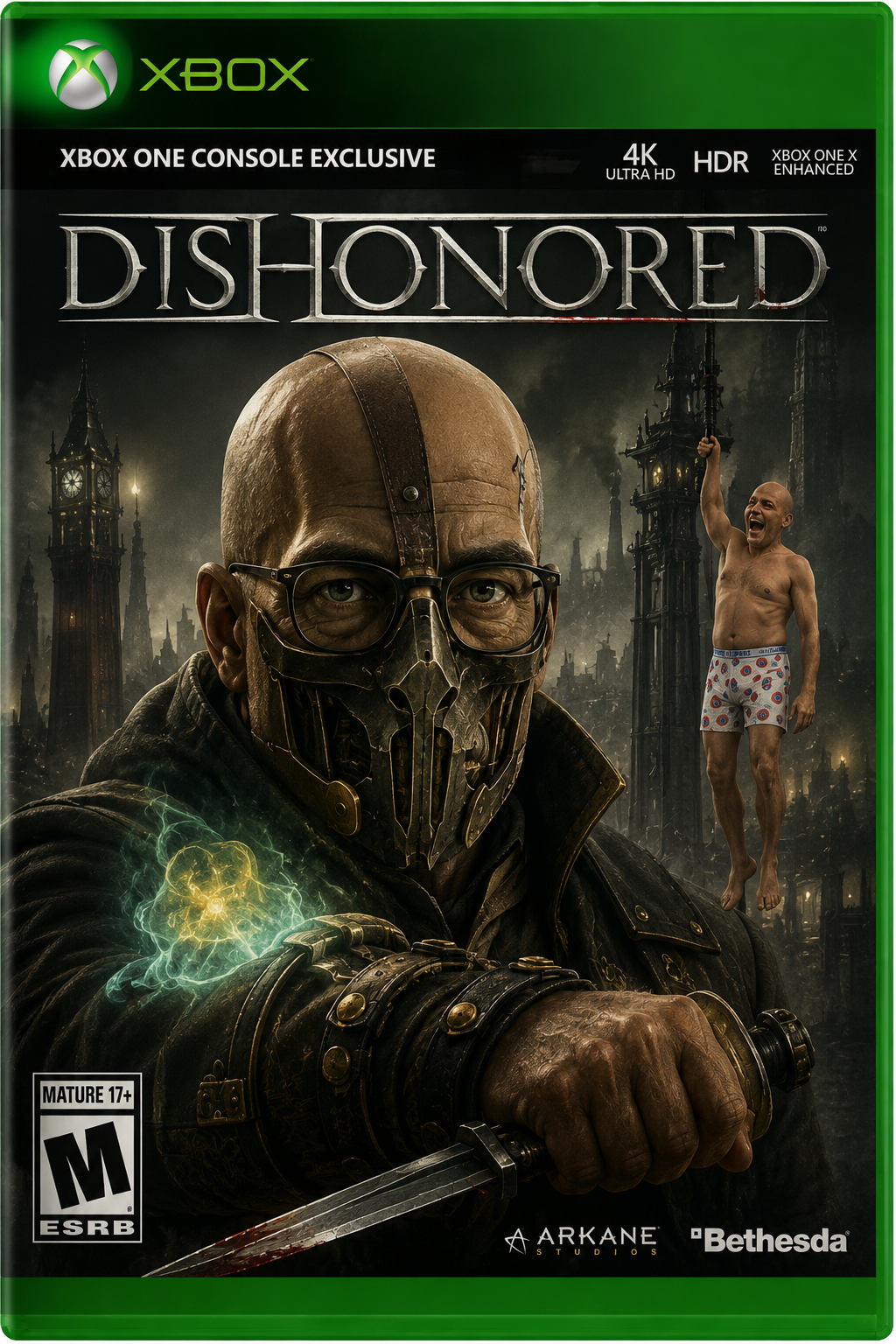
Here is what the NBA actually did: five first-round picks: 2029, 2030, 2031, 2032, 2033. Gone.
The Clippers were fined $30 million. Steve Ballmer is suspended from all league and team activities for one year. Business-operations president Gillian Zucker was suspended for a year without pay. Basketball-operations president Lawrence Frank got six months without pay. The franchise goes into a five-year compliance and monitoring program.
Kawhi Leonard owes the league $700,000. Dennis Robertson, Leonard’s longtime representative and uncle, is barred for five years from doing business with NBA teams on behalf of players or league personnel.
The language regarding Ballmer is especially unpleasant if your previous defense was “I got conned.” The NBA says Ballmer knowingly sought to help Leonard obtain off-court income opportunities, approved a business deal he knew was a precondition for an Aspiration endorsement agreement with Leonard, and failed to create conditions under which his organization followed salary cap rules.
That is no longer the league saying Steve should have known. That is the league saying Steve knew enough.
The Clippers reject the findings. Their lawyers have called the investigation a “witch hunt” and promised to pursue legal remedies against what they called a “gross injustice.” Fine. Standard legalese when you plan to appeal in the courts.
But for now, look at the scoreboard. Five picks. Thirty million. One year. Five years of monitoring.
This was not a citation. This was a statement. This was James Harden crossing up Wesley Johnson so hard he ended up on his back, and Harden staring down on him for two seconds in disappointment before calmly draining the three.
Indignant Prophecy
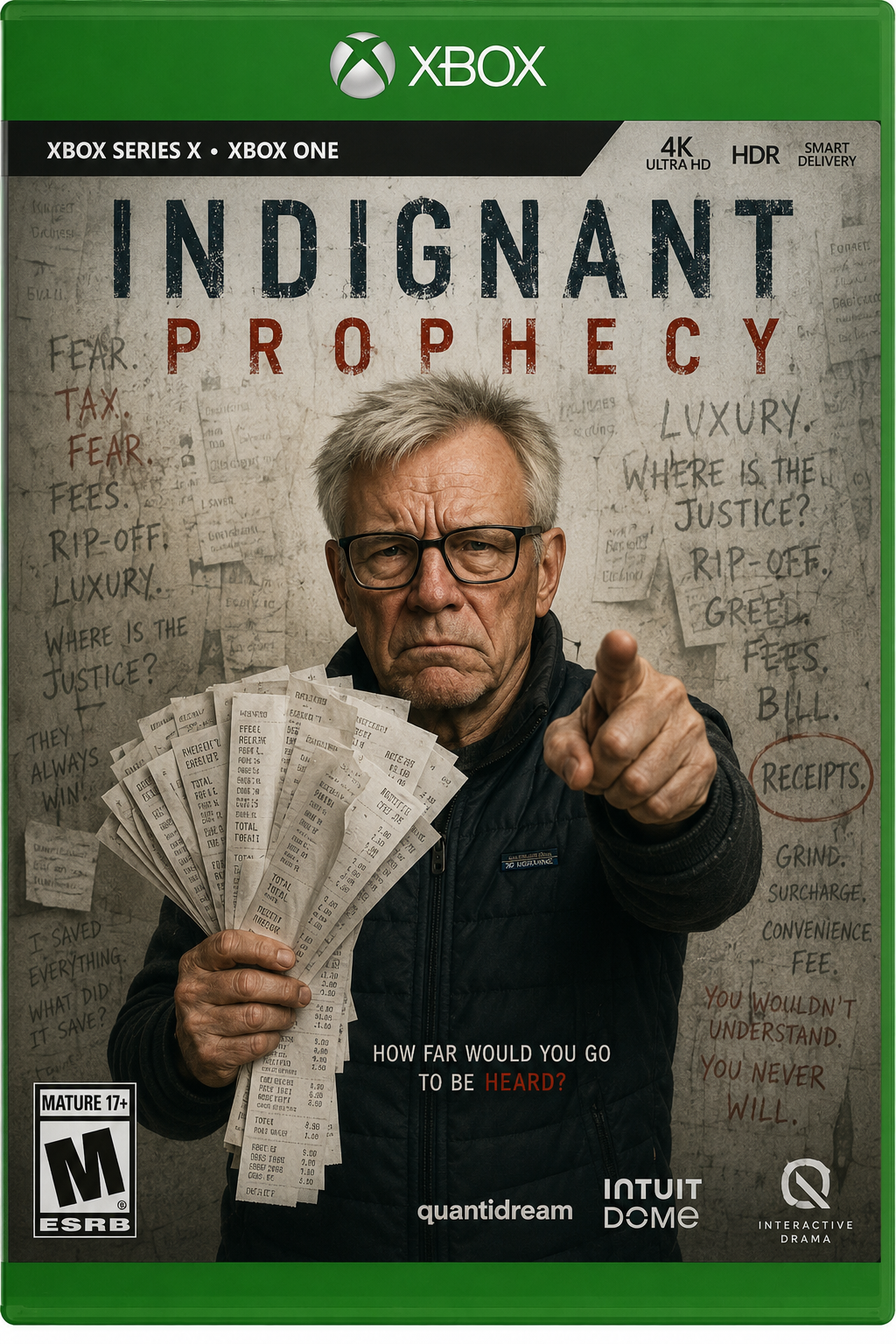
We fucking told you.
I do not know how much more gracefully to write that.
When I first looked at the Joe Smith precedent and tried to scale punishment to a modern Los Angeles franchise owned by one of the wealthiest human beings alive, I wrote that $25 million should be the floor and that the NBA could take two to five future first-round picks.
Actual punishment: $30 million. Five first-rounders.
I was too soft on the fine and dead-on about the picks. Had I known about Daktronics, I would have set the number higher. I would like credit, preferably not routed through a scoreboard. I’m not expecting a parade, though I did clear my afternoon.
The $30 million is substantial in league terms, but the draft picks are the part he cannot replenish by moving a decimal point. We predicted five picks because picks were the only currency Ballmer could not replace with a wire transfer.
And somehow the financial punishment may be even larger than the official invoice. The Clippers’ own lawyers claim Ballmer had already spent nearly $50 million funding the Wachtell probe and reimbursing costs associated with at least six law firms.
The fine was $30 million. The investigation is $50 million so far. The draft picks are the part money does not replace.
The Least of Us
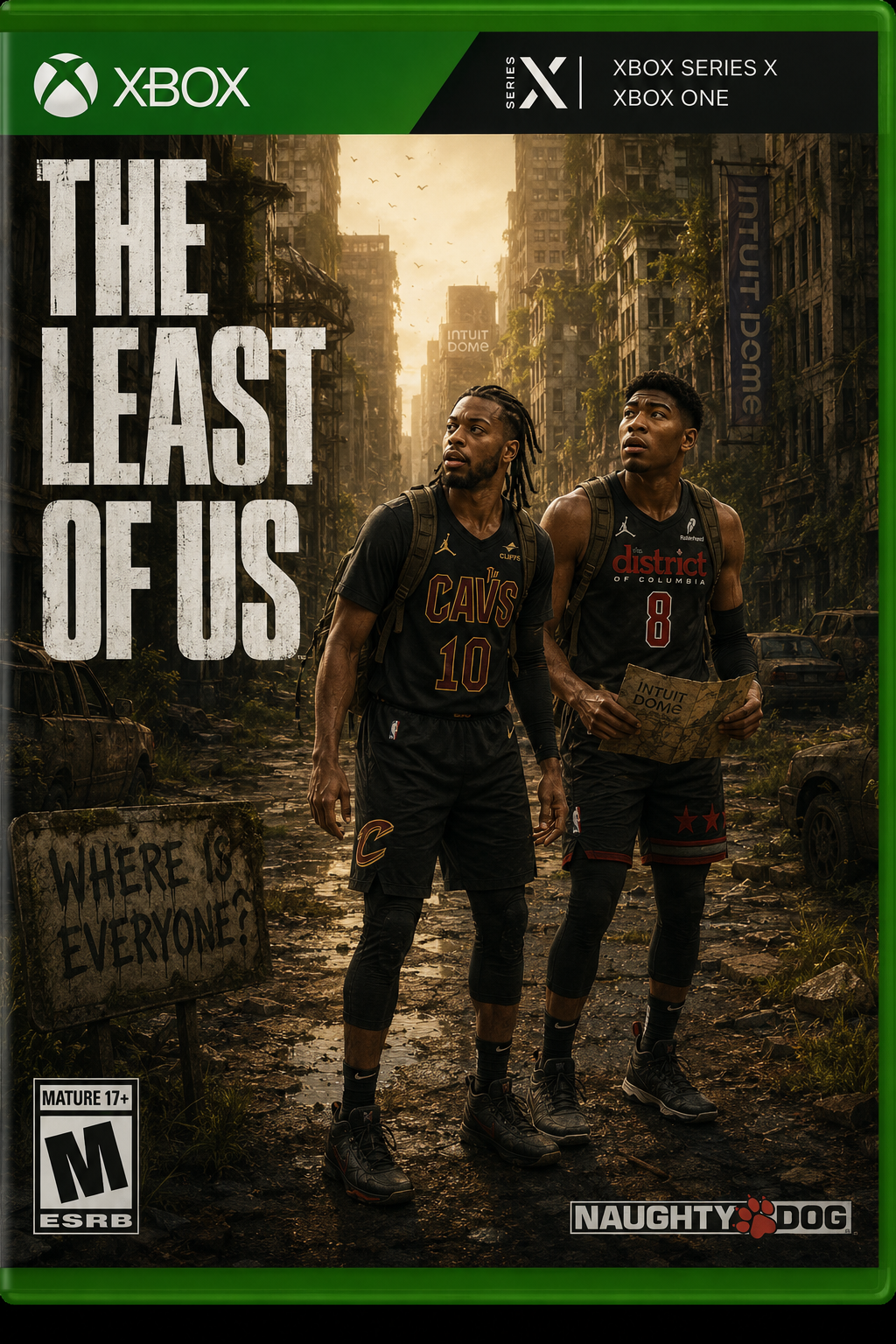
Now we get to the part that is less funny. What exactly are the Clippers? Not historically — Tomorrow.
The old Kawhi-Harden-Zubac contention cycle has already been dismantled. The franchise has spent months pivoting toward a younger core around Darius Garland and Keaton Wagler. Assuming the Toronto deal gets completed, Brandon Ingram and Gradey Dick enter that reconstruction too. Rui Hachimura and Max Strus are among the other new pieces.
That is not nothing. It is also not a contender. Normally, that would be fine. Teams rebuild. Teams pivot. Teams turn veterans into picks, miss the playoffs for a couple years and hope to emerge with a new ecosystem.
Except the Clippers have just had a bulldozer driven through the most important part of that ecosystem. Their own future firsts from 2029 through 2033 have been dragged into the recycling bin of history.
Draft odds don’t help you when you don’t have picks. You cannot hover in the middle. You cannot tell yourself you are “competitive.” You cannot spend four years winning 36 games, drafting nowhere useful and waiting for an imaginary superstar to become available.
The Clippers need value creation now. Garland needs to appreciate. Wagler needs to hit. The Toronto assets need to arrive. Young players need development minutes. Everything that can become a trade asset needs to become one.
If Brandon Ingram finds finds that he’d rather be relocated than spend the rest of his prime on a team that has a probation officer, I wouldn’t be surprised. And if that happens, trade him. The Clippers are not in the feelings business anymore. They need oxygen.
Which leaves Ty Lue. Whatever else is wrong with this organization, he is not the obvious culprit. He’s not in the hot seat. He is in the emergency exit row.
Far Kawhi
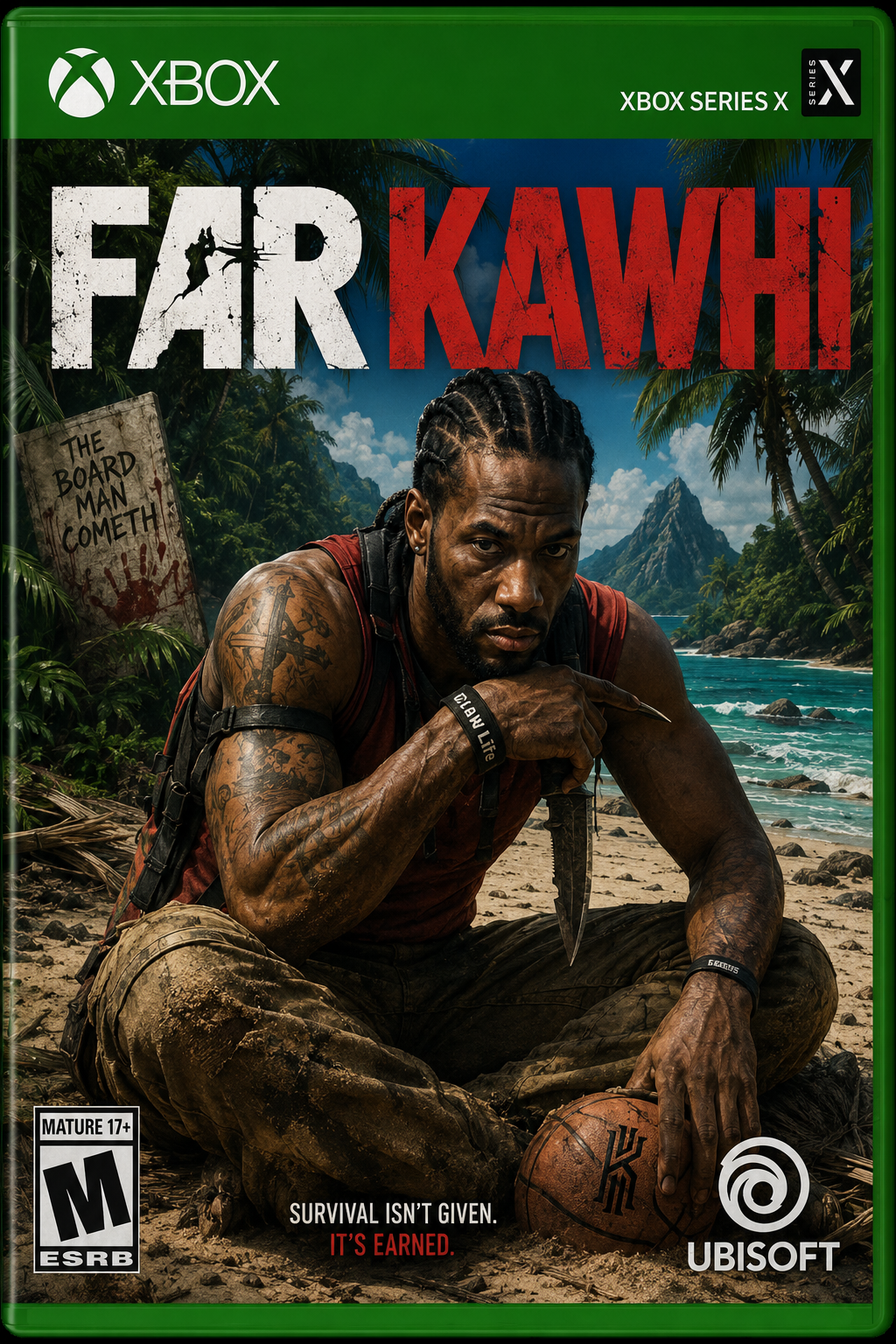
The Kawhi trade to Toronto represented a meaningful recovery on a depreciating asset before the NBA ruling. Now it is life support. The reported agreement sends Leonard back to the place where he won his championship in exchange for Brandon Ingram, Gradey Dick, first-round picks in 2031 and 2033, two seconds and a first-round swap. Toronto put the deal on hold because the Raptors did not want to inherit whatever punishment the league attached to Leonard or his contract; smart.
Now the NBA’s report is in. Kawhi was fined $700,000. He was not suspended. His contract was not voided. And reports say the teams are expected to move forward, though the league was still waiting for them to formally submit the transaction.
But the NBA’s release contains one sentence I would imagine Toronto’s lawyers have highlighted in a very cheerful shade of red: Wachtell continues to receive relevant information, and the league says it may consider further action if appropriate.
That does not mean another punishment is coming. It means the file is not welded shut. And that’s leverage.
Before the league report, Toronto wanted the trade. Afterwards, the Clippers need the picks.
Los Angeles has just watched five of its own future firsts vanish. The Toronto 2031 and 2033 firsts aren’t nice to have — they’re oxygen tanks.
So Kawhi is tainted, but still legally shippable. If I'm in Toronto, those two second round picks just got taken off the table — as a handling fee.
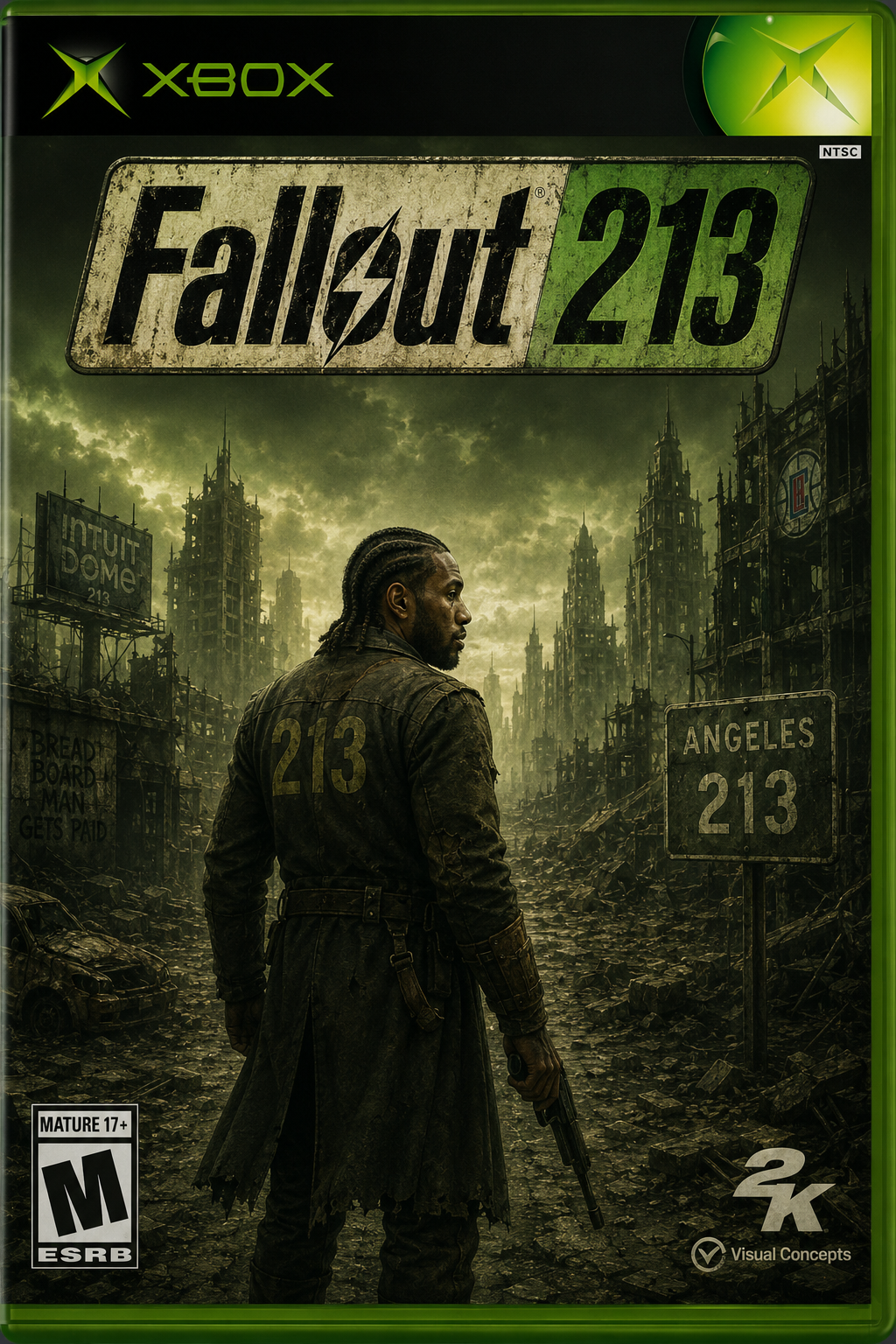
Fallout 213
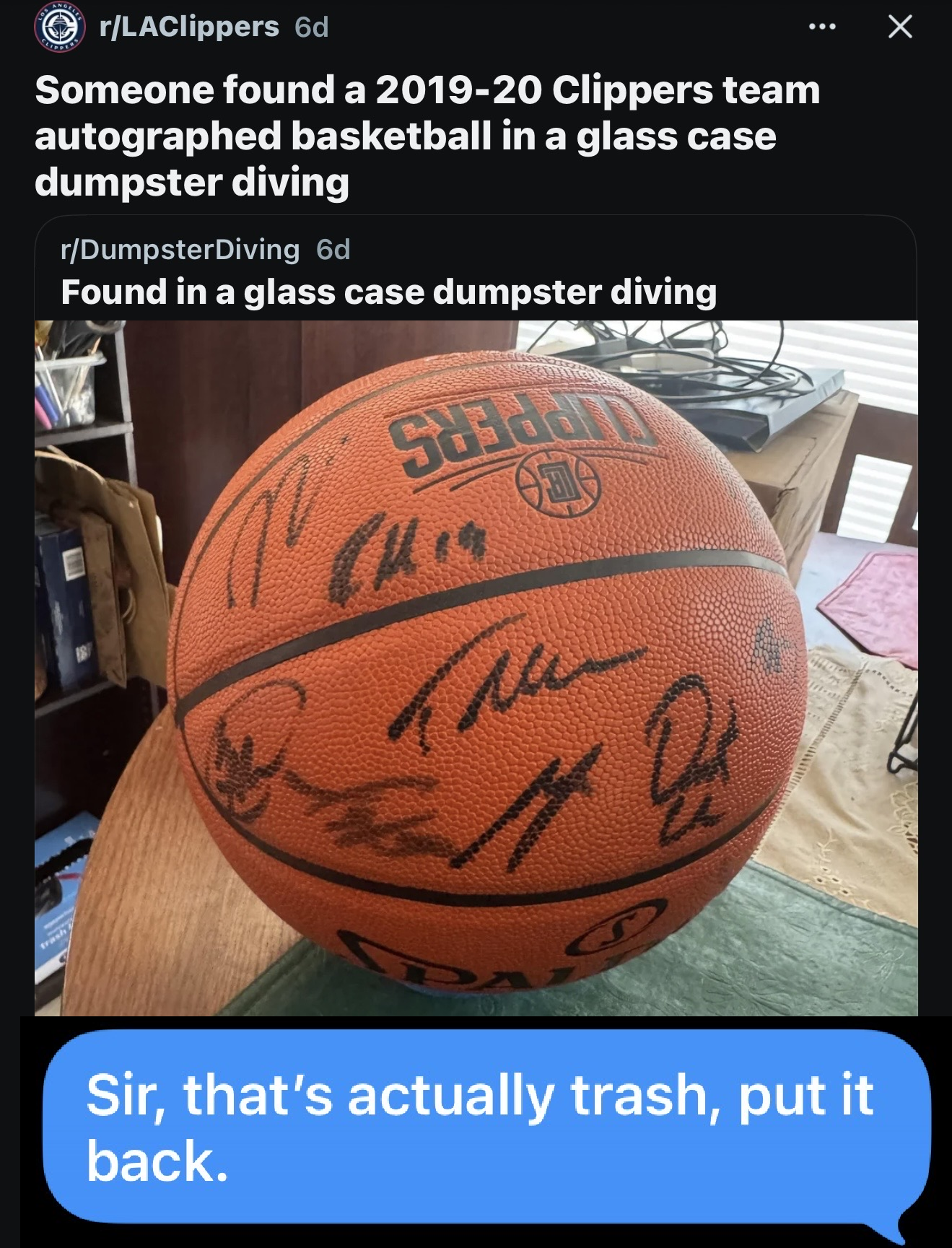
Clippers history is apparently depreciating so fast that somebody recently found a glass-cased, autographed 2019-20 team basketball while dumpster diving. Which is a little unfair to the dumpster. That team blew a 3-1 lead to Denver in the Bubble. When Torsten sent me the photo, my response was immediate: “Sir, that’s actually trash. Put it back.”
Which brings us to the 2026-27 Clippers. There's one place where I think the NBA got the architecture wrong. Not the severity. The architecture.
Don’t execute the picks. Hold them hostage.
The league was absolutely right to attack draft capital. If you fine Steve Ballmer money, congratulations: you have fined the Pacific Ocean three gallons of water.
The first-rounders hurt because they attack competitive opportunity. Good. Take them. Lock them. Put them behind glass, toss it in a dumpster. But why destroy them?
The Clippers’ 2029 forfeiture is particularly instructive. That pick came from Indiana in the Ivica Zubac trade. It is not being returned to the Pacers. According to reporting on the penalty, it is simply voided. The NBA did not confiscate the pick — it executed it.
And that means the punishment survives Ballmer. Imagine he sells three years from now. New owner. New basketball staff. New compliance system. No involvement in the misconduct. The five-year-old Clipper fan sitting in section 214 in 2032 will still be paying the bill because Steve Ballmer wanted to get creative with compensation in 2021.
That is why I would have built a restoration mechanism. Strip the picks today. Hold them hostage. Then establish a defined ownership-restoration window. If Ballmer sells controlling interest to a genuinely unaffiliated buyer before a league deadline, some portion of the forfeited draft capital becomes eligible for restoration. Not free. The new owner pays a restoration fee tied to the value of whatever picks are returned.
And before Steve starts putting “recoverable draft assets” into the sales brochure, there is one critical rule: Don’t give Ballmer a rebate for leaving the crime scene. The fee cannot be financed by the team. The restored value cannot simply become extra purchase consideration. Ballmer does not get compensated because the league let a new owner begin repairing the damage.
First dollars reimburse legitimate investigation and enforcement costs. Then create a competitive-balance and fan-restoration pool. And if Ballmer refuses to sell? Great. The picks remain gone. The mechanism still exists. And Steve gets the invoice for designing the mechanism.
If Steve Ballmer made the NBA invent a draft-pick restoration program, Steve Ballmer should pay for the environmental impact study. Because somebody needs to think of Clipper Nation here.
I know, I know. Some Clippers fans spent the last year practicing aggressive incuriosity. Some bought the idea that Steve Ballmer was the real victim because billionaires apparently now come with emotional-support comment sections. Some treated every new report as anti-Clipper propaganda. I was told that my pieces were unfair hit jobs.
But come on. We are not talking about Lakers fans here. These people have suffered enough. Clipper fans did not arrange the endorsements, launder payments through a scoreboard or pressure sponsors. They bought tickets.
Some of them bought those tickets before anyone knew that the franchise’s five-year plan was about to become a five-year compliance plan. If you paid for season tickets expecting professional basketball and woke up to five missing first-round picks, you did not buy this product.
Where is the fan dividend? Give existing season-ticket holders a refund window. Allow rollovers. Freeze prices. Give arena credits. Give them Team Pass. Give them League Pass. Hell, give them five years of League Pass. Five free years does not make Clippers fans whole. But at least it lets them watch functional organizations while theirs serves time.
Ballmer can fund that. If he sells, put some restoration-fee money into it. If he stays, make annual fan relief part of the five-year monitoring regime. Punish Steve Ballmer. Do not sentence Clipper Nation to ten extra years because you forgot that The Wall was actually funding the operation.
Slights of the Old Republic
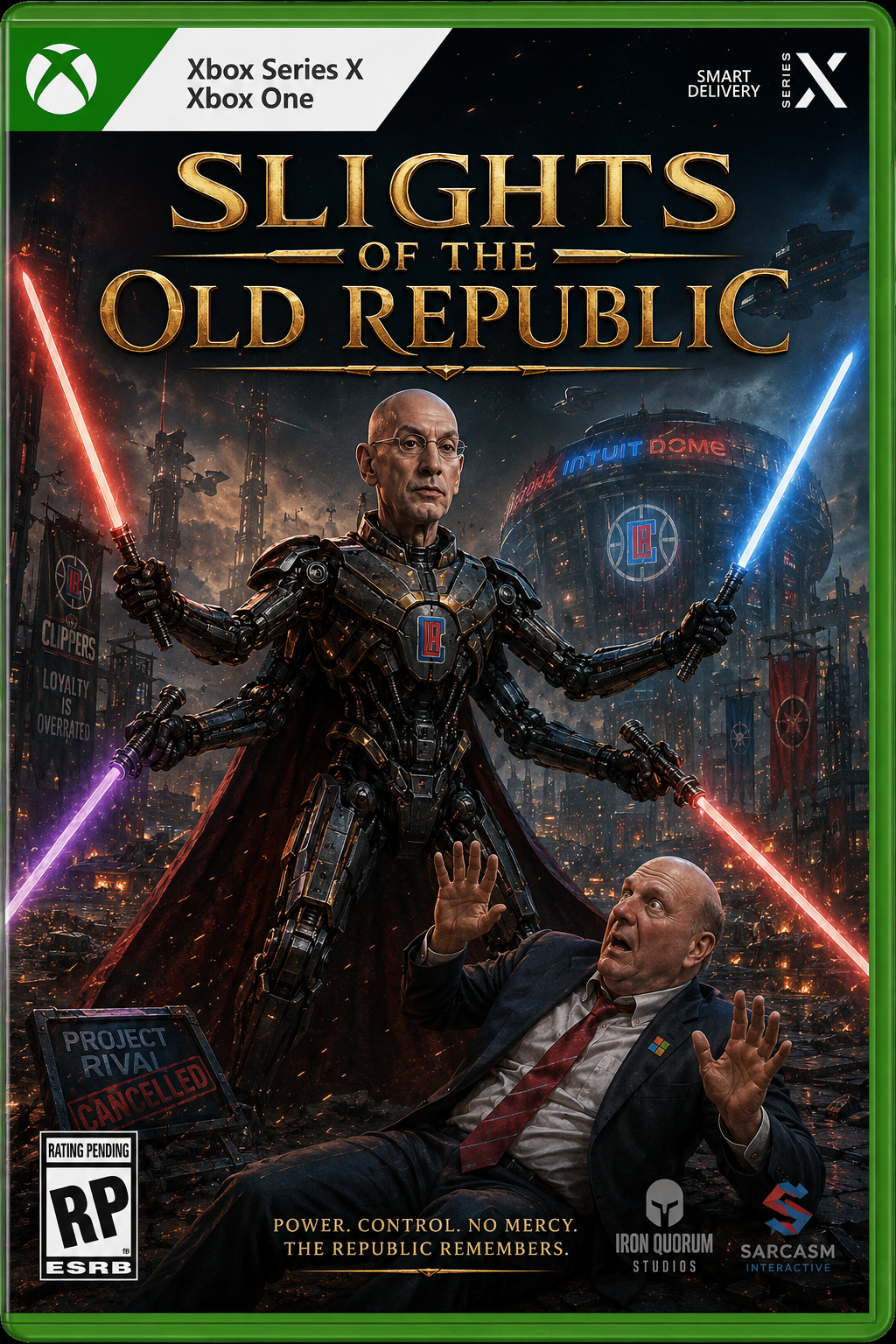
There is one victim in this entire story Steve Ballmer seems consistently capable of identifying. Steve Ballmer.
Aspiration? They conned Steve. Investigation? Unfair to Steve. Punishment? Gross injustice to Steve. Lawyers? Look how much Steve had to spend. The richest man in the room keeps insisting he is the real victim -- that he had no knowledge of the dealings at a distressed company he invested $50m in, or the goings on at the company building his crown jewel scoreboard.
The problem is that the NBA’s findings do not require us to believe Aspiration was run by choir boys. Ballmer may very well have been defrauded in aspects of his investment. Fraud elsewhere does not immunize the Clippers from separate league violations. Both things can exist.
A man can be conned and still make terrible decisions separately. A company can commit fraud and still participate in a relationship that violates league rules. The Clippers’ defense keeps trying to collapse those into one question: Was Steve ever victimized by anybody?
Who cares? The relevant question is whether the Clippers obeyed the cap-circumvention rules. The NBA says no.
But since we are talking about victimization, let’s do something rude: Math.
Ballmer purchased the Clippers for $2 billion in August 2014. Had the same $2 billion simply remained in Microsoft stock Steve, would now be worth $16 billion more than he is today.
Sixteen. Billion. Dollars. Thats like seven Intuit Domes. For $16B and another crisp dollar bill, Ballmer could have done something genuinely historic with the money and still satisfied his competitive instincts: give $15B to charity, make the gift exactly $1 larger than Bill and Melinda Gates’ historic $15 billion pledge, then spend the rest of his life making sure Bill noticed… and have $1 billion left over.
So yes, Steve Ballmer bought the Clippers for $2 billion and built an asset now worth $7.5 billion. Congratulations. Except, $2 billion in the S&P 500 when he bought the Clippers would be worth $10 billion today.
You know how hard it is to buy a professional sports franchise in Los Angeles during the greatest valuation boom in modern sports and still make owning index funds while golfing look like the sexy move?
To make money as a team owner in the NBA over the last dozen years, you did not need to be Warren Buffet. You needed a key to the arena and enough discipline not to set the furniture on fire.
Yet, during a period that saw the average team's value grow by almost 9X, the Clippers have achieved less than a 4X return.
He did not just fail to beat the market. He failed to beat his own absence. If Steve Ballmer is a victim, he is a victim of Steve Ballmer.
Kingdoms of Ballmer: Reckoning
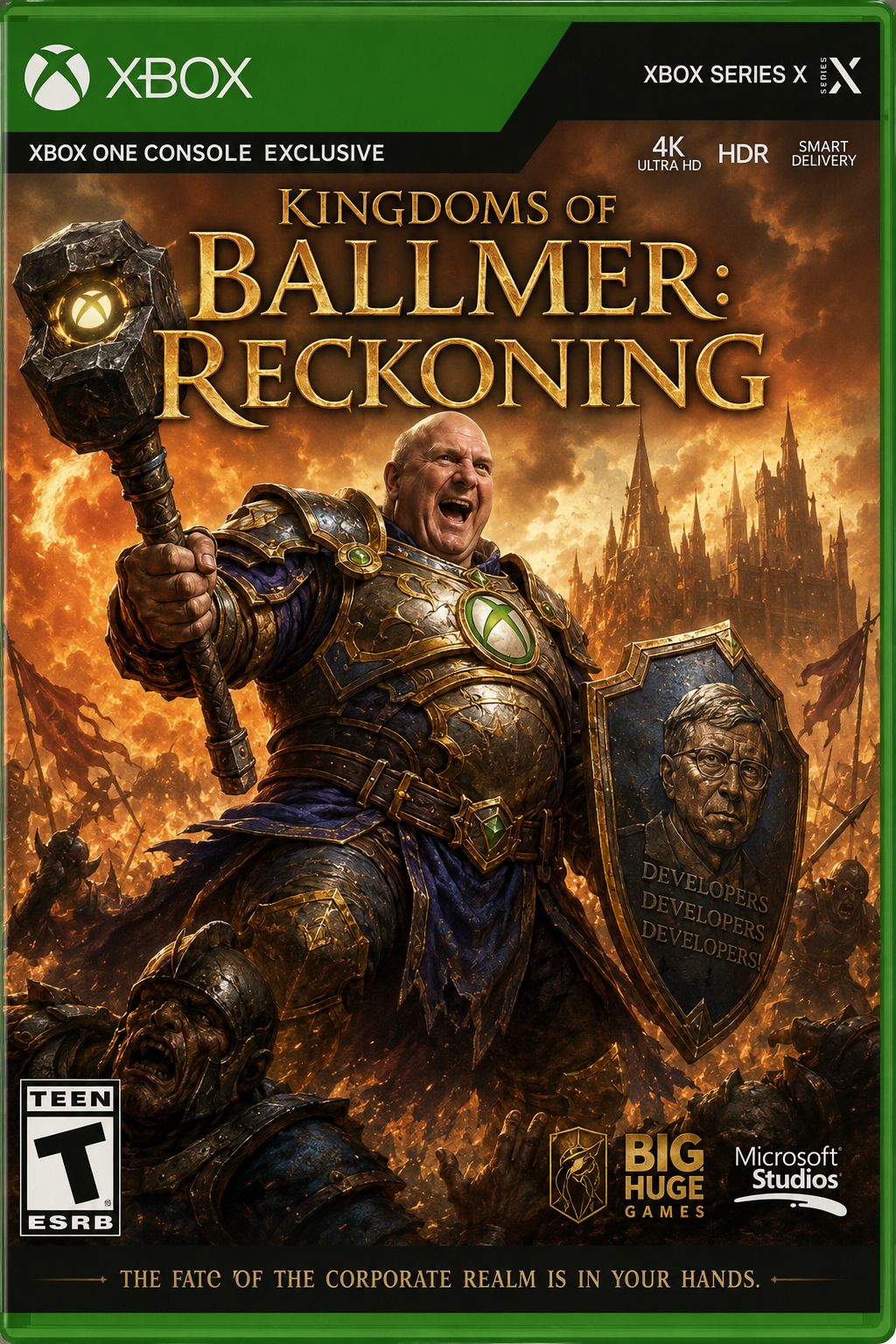
This is where the Clippers story stops looking like an isolated basketball disaster and starts looking familiar. Ballmer spent his Microsoft years sitting atop one of the greatest business models ever invented: software. Build the thing. Copy, paste. Sell the thing infinity times. The thousandth copy does not need its own factory.
Somehow, surrounded by that economic miracle, Steve Ballmer kept looking longingly at objects. Zune. Windows Phone. Surface. Xbox.
Things you manufacture. Things you warehouse. Things you ship. Things customers drop. Things that overheat. Things with warranty departments.
Zune hardware eventually disappeared. Surface RT generated an enormous inventory charge. The Nokia phone deal Ballmer championed was followed under his successor by billions in impairment charges.
Ballmer did not lack ambition. He lacked the discipline to do nothing. Wayne Gretzky said skate to where the puck is going. Steve Ballmer heard that and said: “That sounds hard. What if I buy the rink?”
Even Wall Street seemed relieved when the rink manager left. When Bill Gates announced that Steve would be retiring as Microsoft CEO, the stock jumped 7% that day.
The lesson is not that hardware is inherently stupid. Apple seems to have muddled through.
The lesson is that Ballmer repeatedly looked at businesses with massive embedded advantages and decided the answer was acquiring other people's assets at full price. Steve does not discover value, he buys it at MSRP. The only person more excited than Steve when he makes a purchase? The seller.
Which eventually brings us to the most useful Ballmer artifact of all. Xbox. Because Xbox is where the Clippers metaphor stops being metaphor.
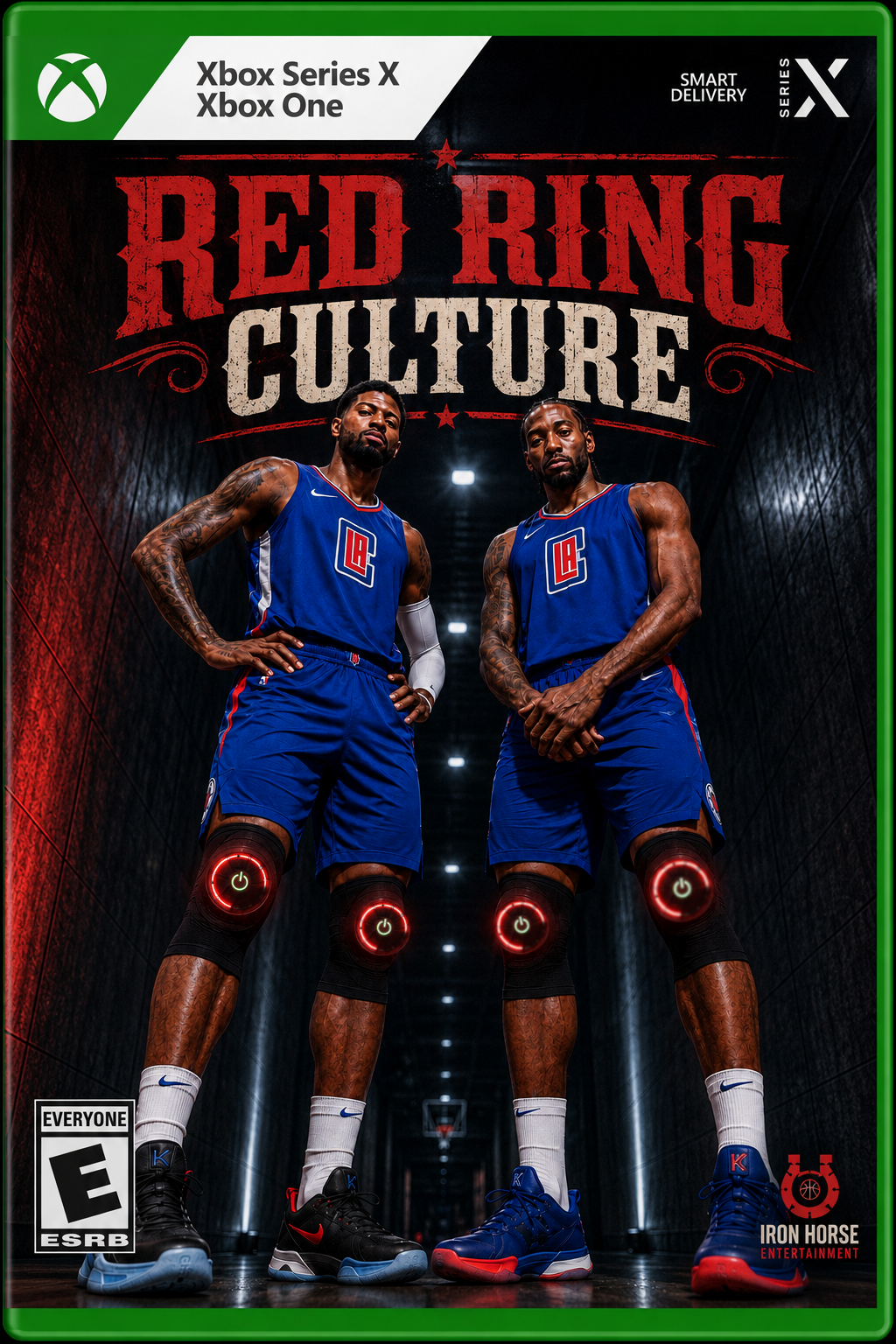
Red Ring Culture
In 2021, during the Epic v. Apple trial, Microsoft gaming executive Lori Wright was asked how much margin the company made selling Xbox consoles. Her answer was essentially none. Microsoft sold the consoles at a loss. Asked whether Microsoft had ever earned a profit on an Xbox console sale, Wright said no.
The economic defense was the classic console model: subsidize the hardware, earn the money back through games and services. That is an entirely defensible model. Until the hardware starts dying.
The Xbox 360’s Red Ring of Death became one of the most famous hardware failures in gaming. In 2007, Microsoft acknowledged an unacceptable number of repairs, expanded coverage for the failure to three years and took a pre-tax charge north of a billion dollars.
This is where things get beautifully stupid. Owners developed the towel trick. Your Xbox dies. Three red lights. General hardware failure. Official repair sounds slow or annoying. So the internet tells you to wrap the machine in towels and run it hot. The theory was that trapping enough heat might temporarily restore a failing connection.
Did this risk making things worse? Of course. Was it a legitimate repair? Absolutely not — it's somewhere in-between holistic medicine and prayer. Did people do it anyway? I know I did.
The towel trick was not rational because it was good. It was rational because, to a desperate owner staring at uncertain warranty coverage, six month RMA turnaround times, and dead hardware, voodoo suddenly seemed worth a shot.
Tell me you do not see the Clippers yet: Wrap the knee. Hope the joint holds. If the warning lights come back, call it load management and tell everyone the title window is still intact. Kawhi Leonard. Paul George. Two premium pieces of hardware. Beautiful when operational. Yet, every spring, somebody in the training room reaches for another towel.
During the pandemic, Microsoft tried to solve the deeper economics of the Xbox problem with the most software-company idea imaginable. A subscription: Game Pass. Netflix for video games. Recurring revenue. Hundreds of titles. Day-one releases. A software financial engineering fever dream coming back to save the hardware business. And for a while the proposition looked almost absurdly generous. Which is exactly the problem.
Microsoft repeatedly missed internal Game Pass growth targets. Then came the acquisitions. Bethesda. Activision Blizzard. Call of Duty. Content for the machine. In July, the current CEO admitted the truth:
“Our business today is not healthy. We are operating at margins that are 3-10x lower than comparable platform and publishing businesses. We entered Gen 9 with a smaller install base and a higher cost structure. To grow, we bet on Game Pass, multi-platform, and a broader portfolio of content... they did not grow at the pace we expected. As that happened, our core business weakened, and we added more teams, more investment, and more time, hoping for a better outcome. And now the industry is facing the most severe hardware crisis in its history. We must reset Xbox.”
The problem with Game Pass has never been that gamers hate value. Gamers love value. That’s the danger — the people who recognize the most value may be precisely the people Microsoft most needed to keep buying games one at a time.
That's not Netflix — it's MoviePass. MoviePass failed because the more a customer used their product, the more money it cost MoviePass. Power users abused it, casual users cancelled, and the thing came crashing down.
Ballmer was gone before Game Pass existed, so this is not another decision to pin personally on him. It is more interesting than that. Game Pass became the attempt to repair the economics of the hardware ecosystem Steve’s Microsoft had spent years and billions building: convert the box into a subscription, software economics engineered to rescue hardware economics. The heroic attempt failed anyway.
Xbox was Ballmer’s last alibi. Game Pass just took the stand.
Horizon Zero Foresight
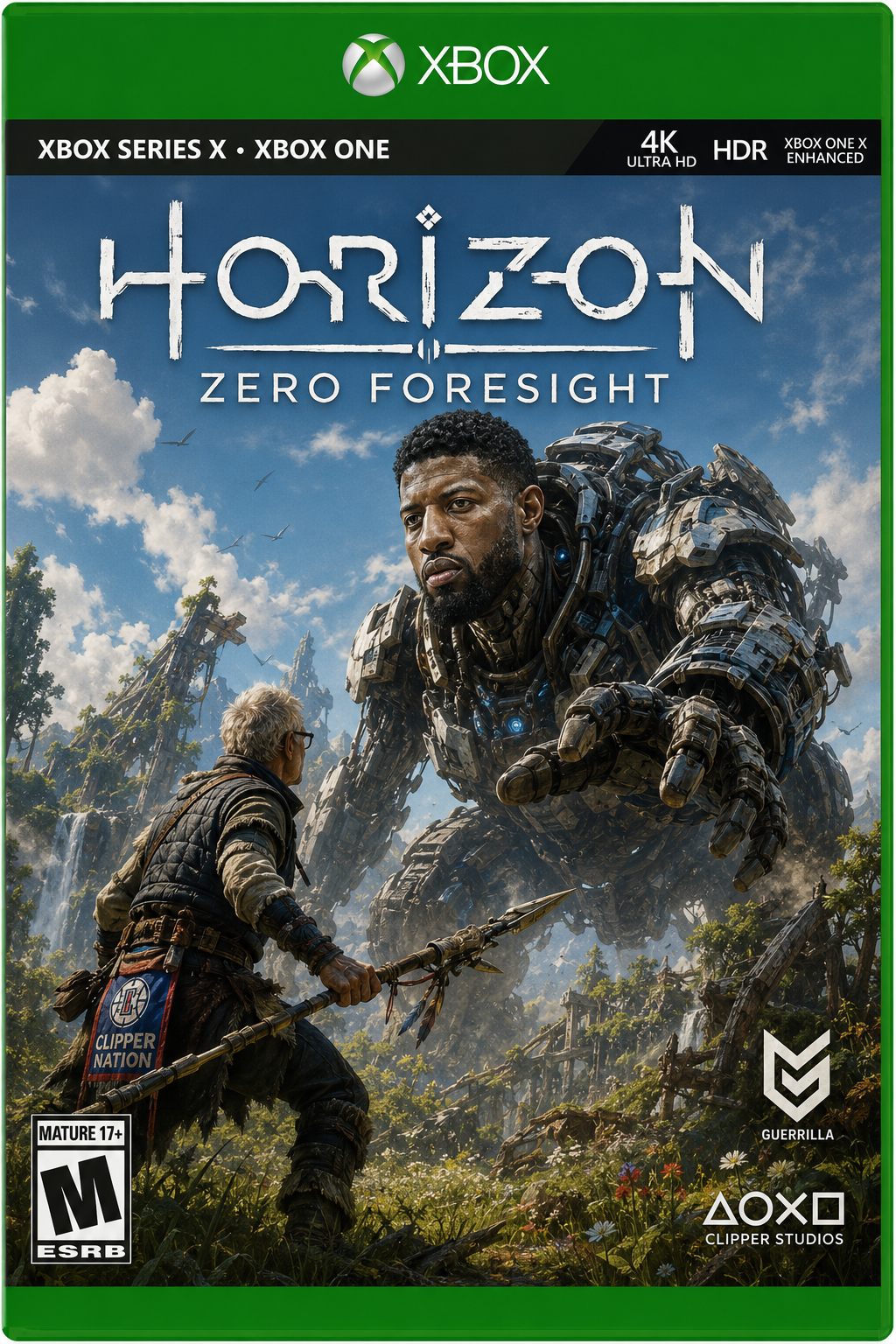
Which brings us to Paul George.
We know George publicly described his contract negotiations with the Clippers. He said the first offer was two years and $60 million, which he considered “kind of disrespectful.”
Then Kawhi Leonard received his extension.
George said his response was straightforward: "Give me what Kawhi got."
The Clippers did not.
We cannot prove Paul George knew anything about any off-books benefit involving Kawhi Leonard. We cannot prove he knew about Aspiration. We cannot prove he knew about Daktronics. We cannot prove that “give me what Kawhi got” meant anything other than the public contract every basketball fan could see.
That needs to be stated without cute language. Now we can get cute.
Because after the Kawhi investigation, that sentence needs a Geiger counter. What, exactly, did Paul George think Kawhi got? Maybe the answer is the clean one. But the darker reading is no longer ridiculous.
These men were not acquaintances who kept touch by Instagram. They were teammates. Southern California boys who played in high schools across town in Palmdale and Riverside. They played for San Diego State and Fresno in college and faced off in a 2009 NCAA matchup. Both drafted by the Pacers in back to back years before immediately trading Kawhi to the Spurs. All-Star games together. Five years as teammates in L.A; the Clippers traded a historic package for George because acquiring George was a condition of acquiring Kawhi.
So management created a dangerous dynamic even without George knowing a single forbidden detail. Kawhi was special. The entire franchise had been reorganized around how special Kawhi was. And then the second star said: Okay. Treat me like Kawhi.
That is the structural problem with illegal benefits. They are not scalable. If one employee gets a visible contract, you can give the next employee the same visible contract. If one employee receives extraordinary private treatment, the next employee cannot be made whole without either repeating the extraordinary treatment or admitting the first employee lived under a different set of rules.
Ballmer created a trick he could only use once. Unfortunately, the Clippers had two stars. We may never know if Paul George was asking for the Aspiration package. But he left for nothing either way.
Red Doc Redemption
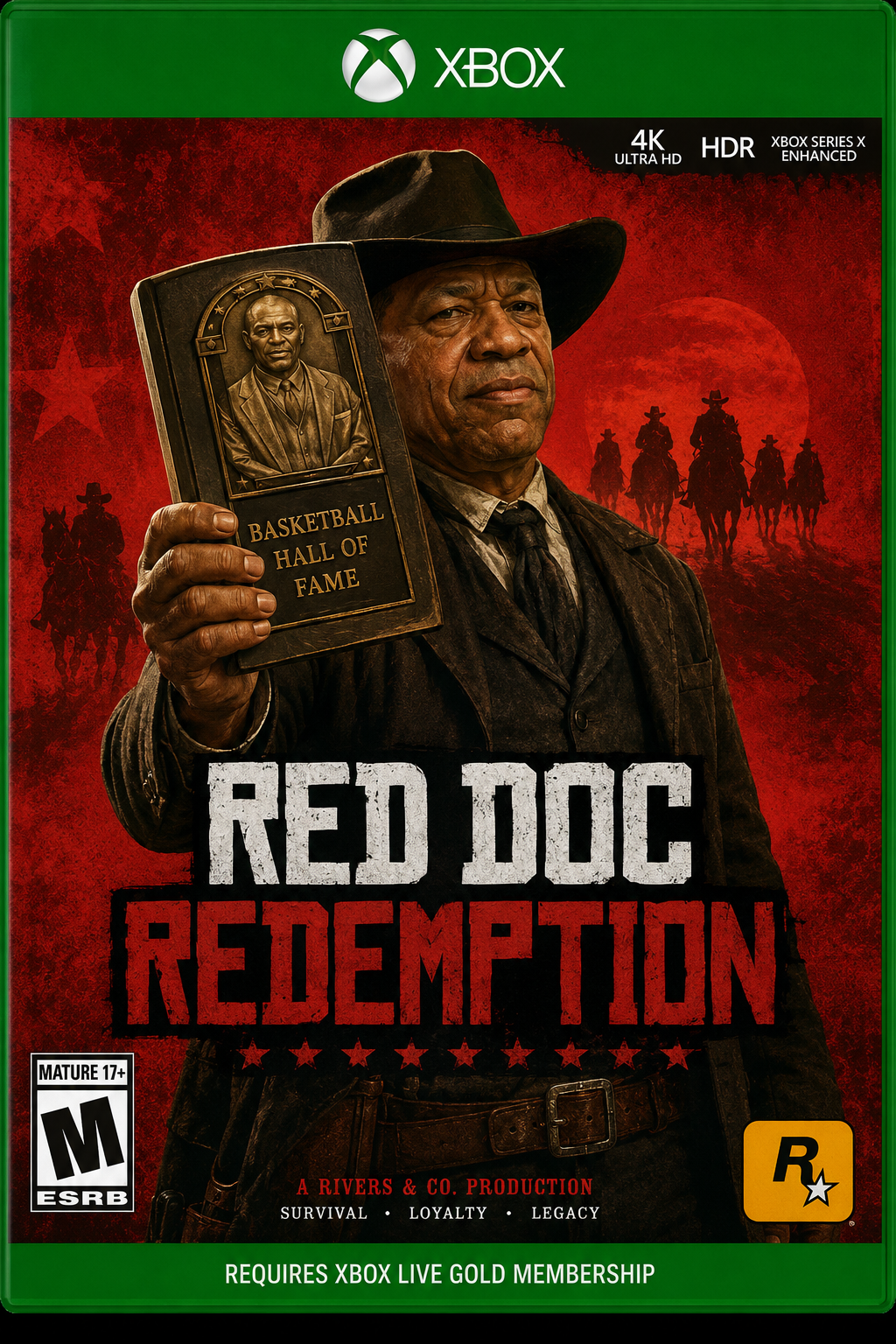
There is one final solution so stupid that I am morally required to discuss it. Doc Rivers. Not because I believe the Clippers should hire Doc Rivers. Please do not email me.
During Donald Sterling’s implosion, Doc Rivers became one of the adults who helped the Clippers get through the building without catching fire. Ballmer was supposed to end that era. That was the pitch. New owner. New culture. New Clippers.
Twelve years later, we are discussing cap circumvention, five erased first-rounders, executive suspensions, a billionaire suspension and a five-year league compliance monitor. Doc and the Clippers deserve each other: a coach whose greatest skill is making collapse sound respectable and a franchise whose greatest tradition is needing someone to explain collapse respectably.
Doc Rivers returning would be the organizational version of wrapping the Xbox in a towel. Will it permanently fix the hardware? Emphatically, no. But maybe you get three more weeks.
The Clippers do not need Doc Rivers to restore competence. They need him to restore the appearance of competence. Which has always been his Hall of Fame skill.
Same old Clippers.
Same Old Steve
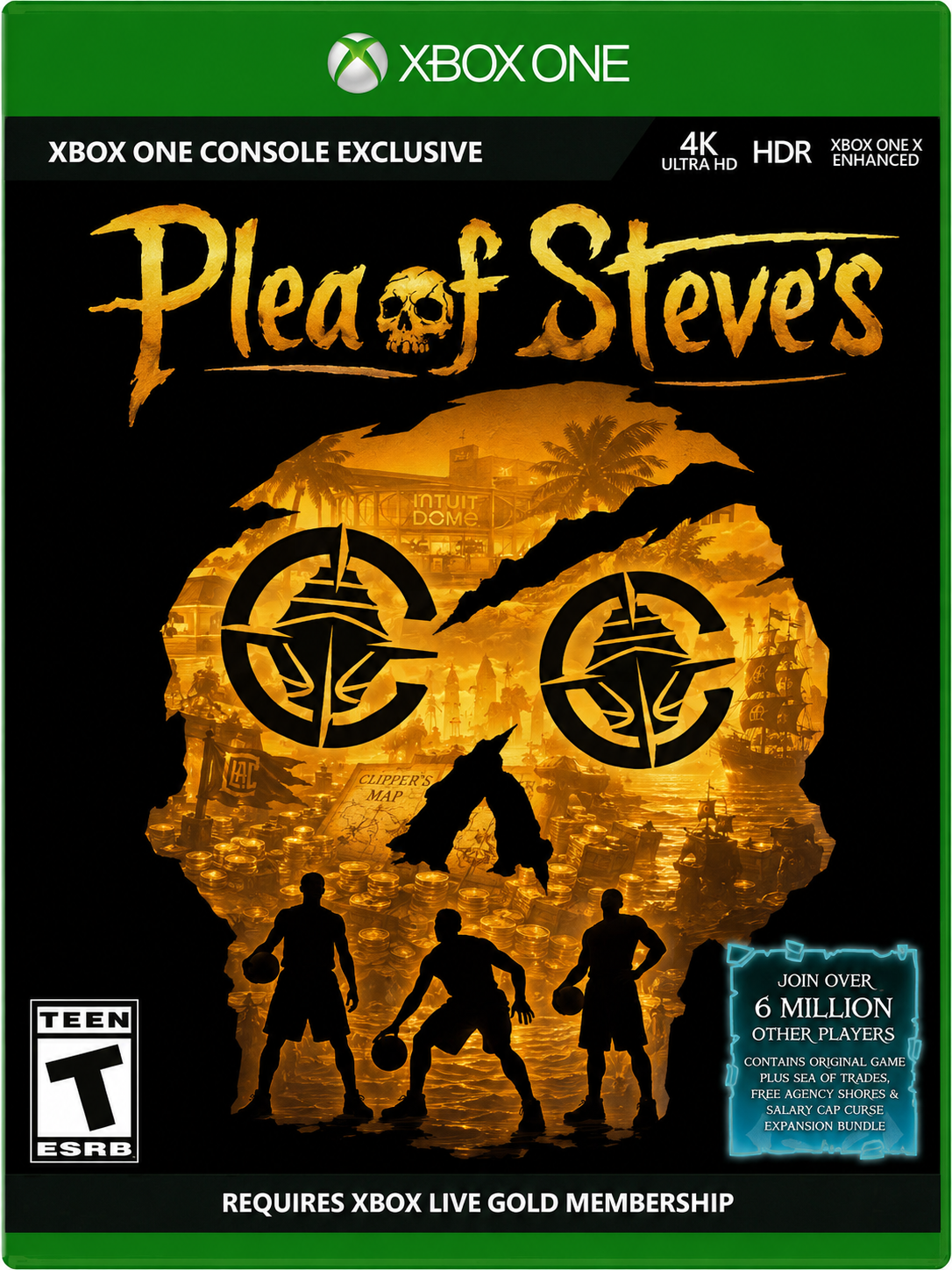
The temptation is to look at this Clippers disaster as some bizarre second act in Steve Ballmer’s life. A brilliant software billionaire retires, buys a basketball team, gets a little too excited and eventually wanders into the largest salary-cap circumvention punishment the league has handed down in decades.
But this is not New Steve. This is Same Old Steve.
At Microsoft, Ballmer presided over enormous growth in the underlying business while shareholders spent more than a decade wondering when some of that success might reach them -- the company’s market capitalization fell nearly in half. Then Ballmer left. Microsoft’s stock produced a return greater than +1,500% from Satya Nadella taking over in February 2014 through today.
Ballmer did not lack intelligence, or confidence. God knows he did not lack energy. He lacked restraint.
He paid $2 billion for the Clippers when $2 billion was an absolutely deranged price for an NBA franchise with fewer rings than Frodo. Then he spent roughly another $2 billion building Intuit Dome.
He wanted Paul George, so Oklahoma City got Shai Gilgeous-Alexander, Danilo Gallinari, five first-round picks and two first-round swaps. Yes, part of that price was effectively the admission fee for Kawhi Leonard. That does not make the receipt any less spectacular.
And maybe this is where Ballmer’s defenders have a point. Maybe comparing Clippers ownership to leaving the money in Microsoft stock or an index fund is unfair. This was never just an investment for him. He was buying entertainment. Prestige. Access. Control. He got 41 home games a year to scream courtside like a Goldendoodle who just discovered basketball. He got to build his dream arena. He got to be one of 30 NBA owners.
And he appears to have had a wonderful time. Fine. Give him the entertainment premium. Give him whatever psychic value belongs to walking into an owners meeting without having to explain why you are there.
But prestige was part of what he bought too. And that asset just went radioactive.
The $30 million fine is accounting. The $50 million legal fee makes it sting. The draft picks undermine the team's viability to contend.
But the one-year suspension is personal. The NBA did not just take Ballmer’s money. It temporarily took away the thing he appears to have spent all that money for the privilege of doing. It says he's not even allowed in the arena he built.
And, control was part of the premium when Ballmer bought the Clippers, too. It cannot suddenly become somebody else’s department when the invoice arrives.
Which brings me back to the gas station. I drove away before checking whether the nozzle was still attached. Steve Ballmer and I finally have something in common.
The difference between me and Steve Ballmer is that when I failed to notice the system was still attached, it only cost $250 and thumbs-up from 53 strangers.
SPORTSWRITING WITH RECKLESS INTEGRITY

If you made it this far, you already know what we do here. We write about greatness and delusion, triumph and collapse, and the strange emotional hold sports keeps on people who should probably know better.
Drop your email and once a week we’ll serve you something from the top shelf — no cheap shots.

Todd
120 Proof Ball
If you liked this then you’re part of the problem.
