
You Apparently CAN Be This Dumb
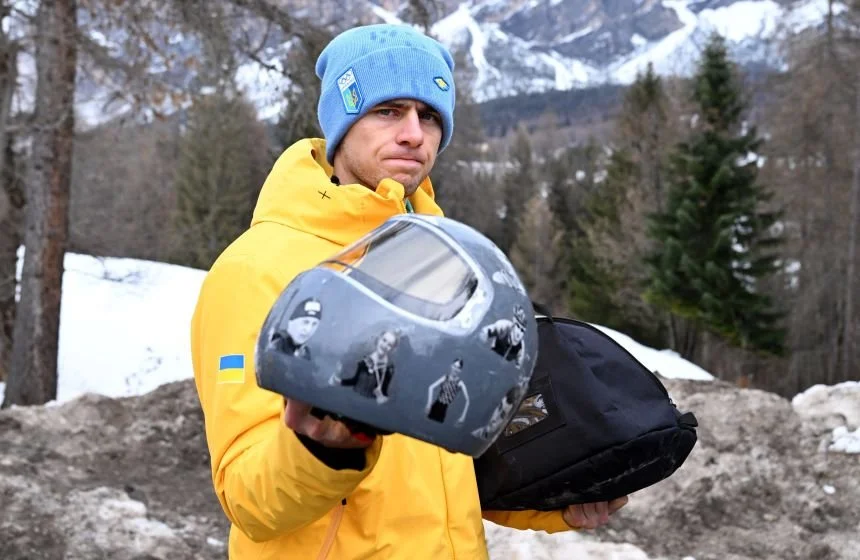
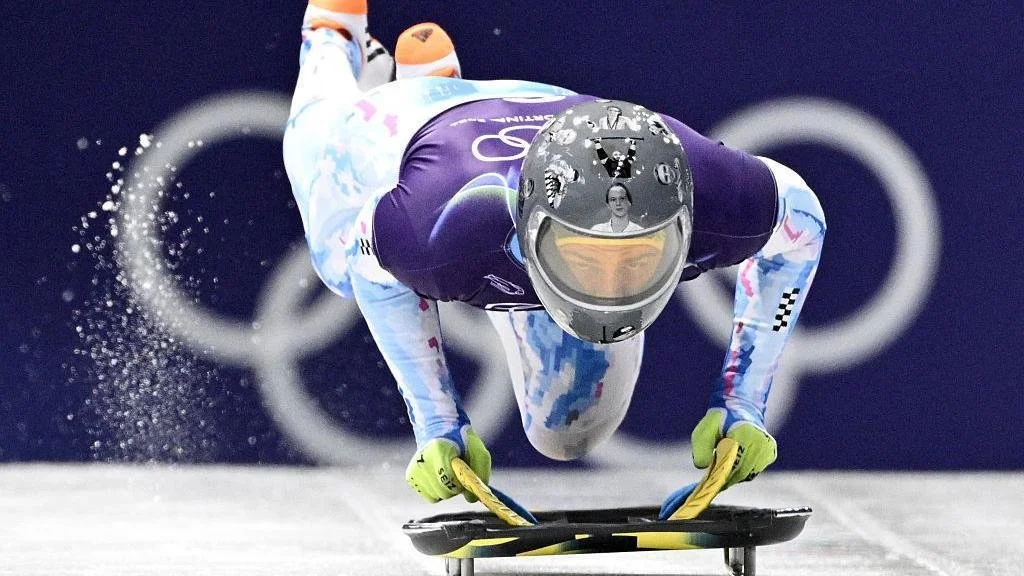
It wouldn’t be a proper Olympics if the good people at the International Olympic Committee didn’t wake up one morning, stretch, sip their ethically sourced espresso, and ask themselves, “How can we embarrass ourselves on a global stage today?” And this year’s answer, apparently, was disqualifying Ukrainian skeleton racer Vladyslav Heraskevych for daring — daring — to pay tribute on his helmet to fallen countrymen in the middle of an actual, literal war.
The Olympic Games — that shimmering, flag-waving, anthem-blaring, chest-thumping celebration of national pride — decided that honoring dead compatriots was somehow too political. Too political. Let that marinate.
This is the same event where athletes are wrapped in their nation’s colors like human burritos of patriotism, where medal ceremonies are essentially choreographed nationalism set to orchestral swells, where flags are raised, fists are pumped, and tears are shed to the soundtrack of a country’s anthem echoing through a stadium built with the GDP of a small republic. But a helmet tribute? Oh no. That’s where we draw the line.
The mental gymnastics required to believe that the Olympics are about representing your country, but not about acknowledging your country’s suffering deserve a gold medal in cognitive dissonance. We are told this is a pure arena. Politics must stay out. The rings are sacred. The ice is holy. The luge track is a temple. Meanwhile, entire delegations march behind flags that represent governments, ideologies, histories soaked in triumph and blood. That’s fine. That’s tradition. That’s pageantry. But a Ukrainian athlete honoring people killed in a brutal invasion? Suddenly we must clutch pearls and invoke Rule Whatever-Subsection-Paragraph-Bureaucracy.
What exactly do they think “country” means? Is it just fabric and branding guidelines? Is patriotism acceptable only when it’s convenient and sanitized and sponsor-friendly? “Fly your flag, but don’t remind us why it matters.” That’s the message.
The Olympics market themselves as unity through sport, as humanity’s shared stage, as resilience and courage embodied in muscle and bone. But the moment that resilience becomes specific — the moment it names names, honors sacrifice, or acknowledges pain — it’s deemed disruptive. The IOC loves symbolism. They adore it. They trademark it. They litigate it. They choreograph it down to the millimeter. They just don’t like symbolism they can’t control. Because the truth is uncomfortable. The truth bleeds. The truth doesn’t fit neatly inside a sponsor-approved color palette.
Heraskevych didn’t protest the Games. He didn’t hijack a ceremony. He didn’t turn the podium into a soapbox. He honored fallen compatriots on a helmet — the very object protecting his head as he hurtles down an icy chute at highway speeds for the privilege of representing his nation. And somehow that was the line crossed.
Imagine telling an athlete, “Yes, you may represent your country. Just don’t acknowledge what your country is enduring.” It’s the Olympic equivalent of saying, “Smile for the camera, but don’t mention the fire.”
The IOC’s devotion to “neutrality” has long resembled a man insisting he’s neutral in a hurricane because he refuses to acknowledge the wind. Neutrality in the face of suffering isn’t noble. It’s sterile. It’s bureaucratic. It’s the spiritual cousin of “now is not the time.” When, exactly, is the time? After the medals are handed out? After the cameras leave? After the war ends? After the fallen are forgotten?
The Olympics want to be the moral North Star of sport — the shining rings above the chaos. But every time they swat down a human moment in the name of tidy rulebooks, they shrink just a little. Because here’s the reality: sport does not exist in a vacuum. It never has. Athletes are not mannequins in aerodynamic suits. They are citizens. They are sons and daughters. They are products of the countries whose flags they carry.
You cannot sell nationalism as spectacle and then outlaw it when it becomes personal. You cannot drape the arena in flags and then recoil when one of those flags carries grief. And you certainly cannot expect the world to believe that honoring the dead is more corrosive to the Olympic spirit than pretending nothing is happening at all.
It wouldn’t be a proper Olympics without the IOC royally screwing something up. But this one? This one feels less like a screw-up and more like a philosophy — one that prefers silence over sincerity, branding over backbone. And that, far more than any helmet tribute, is what truly undermines the spirit of the Games.
Torsten / 120 Proof Ball
Proof that the internet was a mistake.
